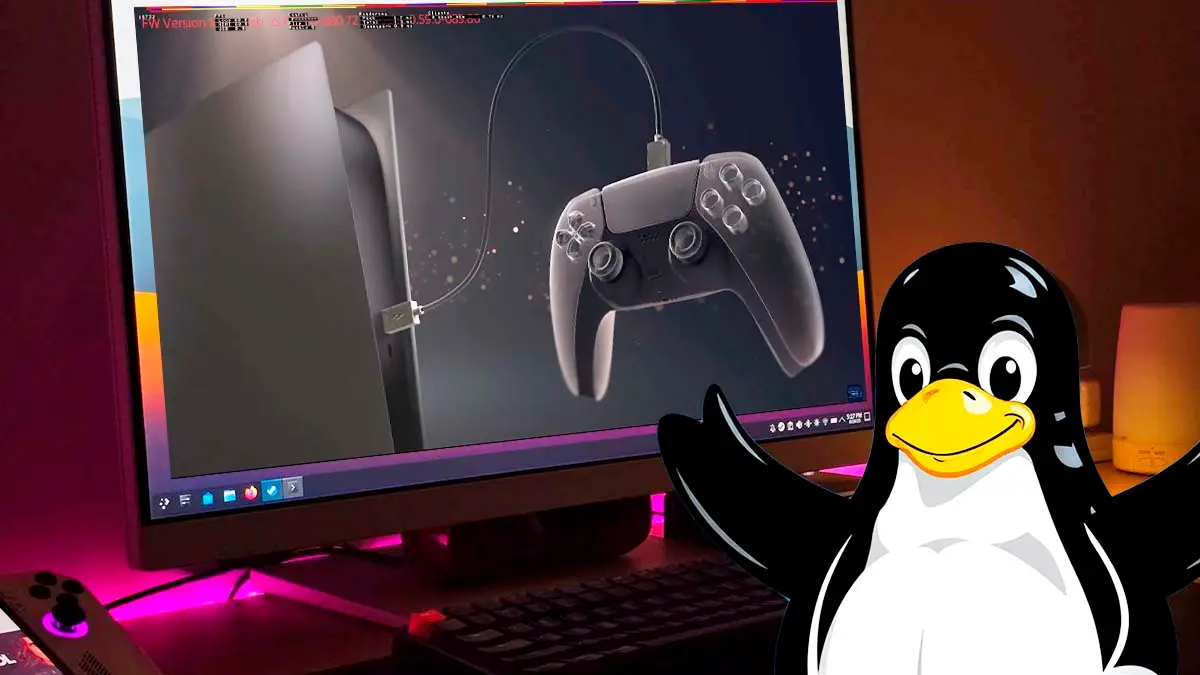
Not long ago we witnessed a rather curious technical advance when several developers managed to install and run Linux on the PlayStation 5 hardware, allowing the console to process programs and titles native to traditional computers.
And now the story has taken a very interesting reverse turn with a video presented by PSXTech on October 4, in which the PlayStation 5 interface is seen running on a PC, though for now it is only a demonstration, as no game runs and there is nothing to download. It is an experiment that nonetheless demonstrates that exchanging operating systems across different platforms is becoming a fairly common modification discipline among technology enthusiasts.
Direct File Translation and Architecture Alignment
To understand the real scope of these developments, one must recall that a programmer is designing an open-source tool capable of transforming the console’s executable files so that they run directly on Windows and Linux, a project to run PS5 games on PC without emulation called AnyPS5, which in recent days took a huge leap by managing to run its first PS5 game at 60 FPS using a GTX 1050 Ti, a graphics card that’s nearly a decade old.
Unlike a traditional emulator, which demands a huge amount of resources by having to simulate all internal components of the machine virtually, this project operates in a manner similar to Wine or Proton, the tools that allow Windows titles to be played on Linux, translating only the operating system instructions.
This strategy is viable because the PlayStation 5 and modern PCs share the same x86-64 architecture, with the difference that the console uses FreeBSD as the base of its operating system.
By translating these layers without the need to emulate the processor or graphics card, it achieves a very close performance to real hardware, following the path of earlier projects that managed to run Nintendo Switch titles on PC without hardware emulation.
The Difference Between Emulating the Interface and Running the Complete System
Now, on one hand, the goal is to harness the PS5’s power to run desktop software, while on the other hand there is an effort to bring the PlayStation 5 interface and its executables to computers, using both emulation techniques to replicate the menus and code translation mechanisms.
Following the video’s spread on social networks such as X and Reddit, multiple posts circulated prematurely claiming that the complete PlayStation 5 operating system had been booted inside a computer.
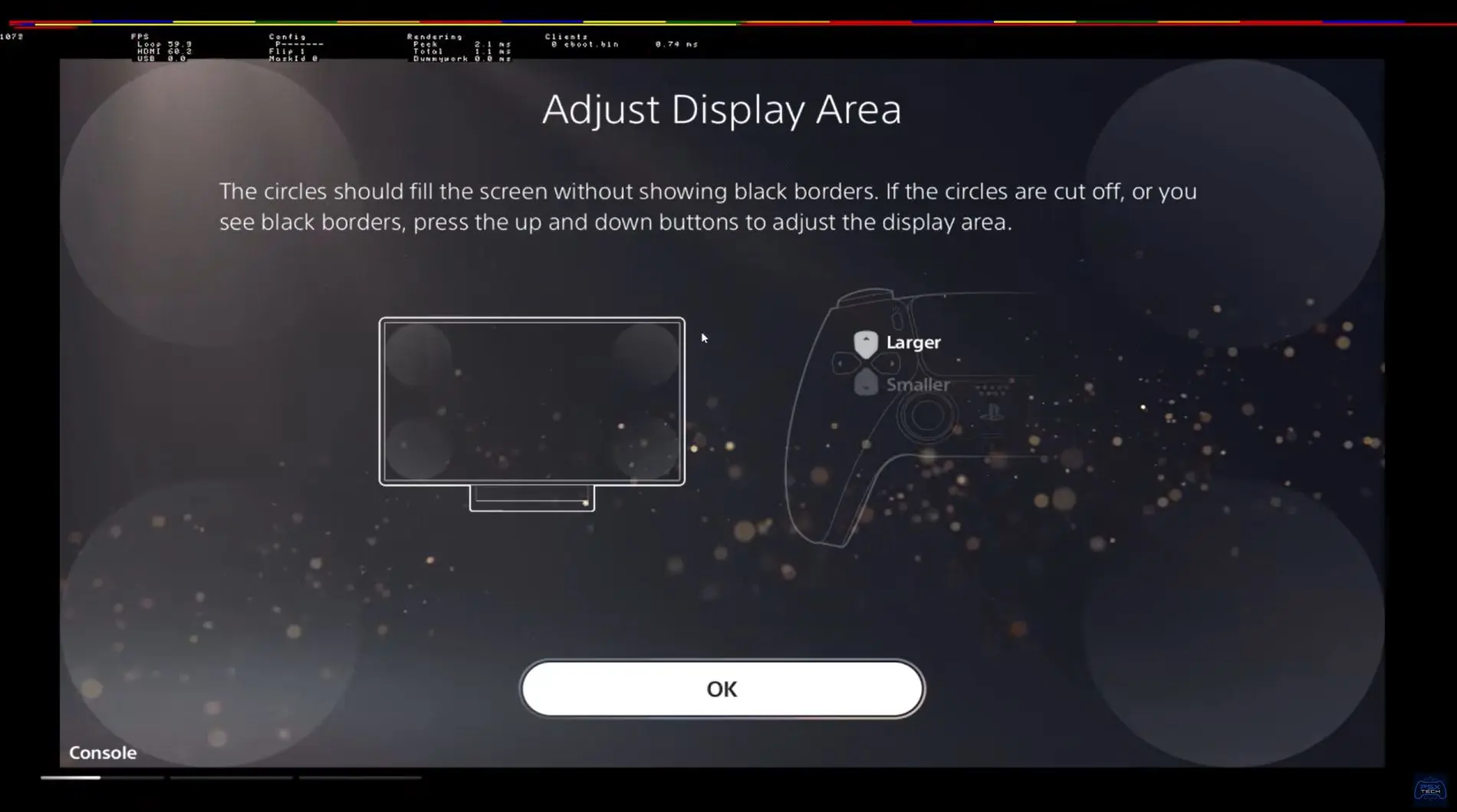
Nevertheless, the technical reality is different, as the video only demonstrates the functioning of the Visual Shell (VSH), the software layer responsible exclusively for displaying the system menus, language selection, and configuration screens.
Furthermore, it should be clarified that this PlayStation 5 interface is deployed through habitual emulation processes, not as a native operating system installed on the hard drive.
In conclusion, this kind of progress does not constitute a wholly unprecedented discovery, since initiatives such as the RPCSX emulator already had the ability to boot the PlayStation 5 interface and the PS4 interface, although the function of launching commercial games directly from those menus remains an active development area.
